Home › Site Walls and Hardscapes
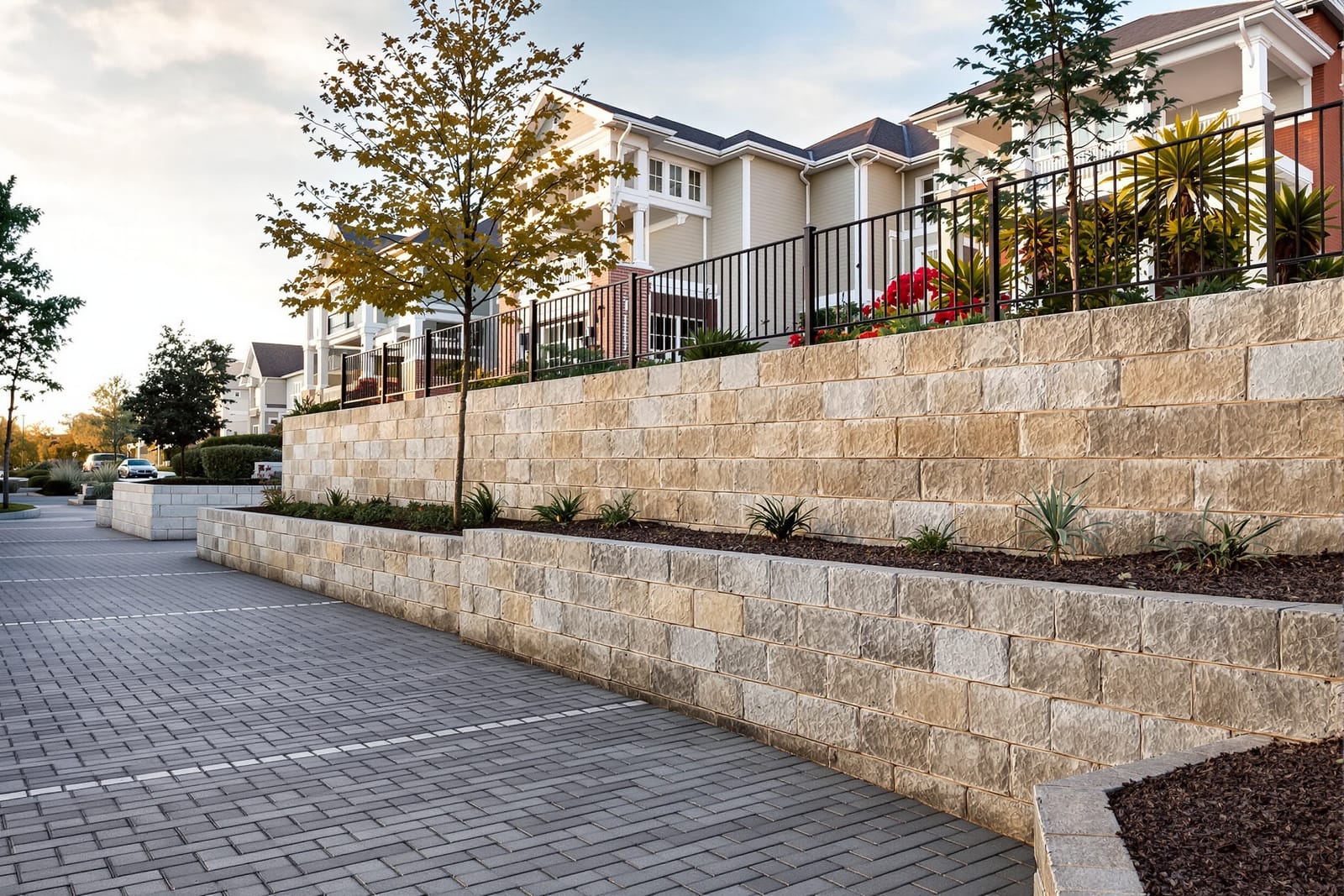
We build commercial hardscape masonry in Boise, ID including site walls, planters, steps, and plaza features. Our work shapes pedestrian areas, defines entries, and protects landscaping. We coordinate layout with civil plans to ensure drainage and accessibility across your property.
Superior Masonry Boise provides professional commercial hardscape masonry throughout Boise, ID, and the surrounding area. Our licensed, insured crew delivers safe, clean, on-time work with a free estimate before anything begins. Call (208) 567-0948 or request your free quote.
Practical Site Walls and Hardscapes for Boise Properties
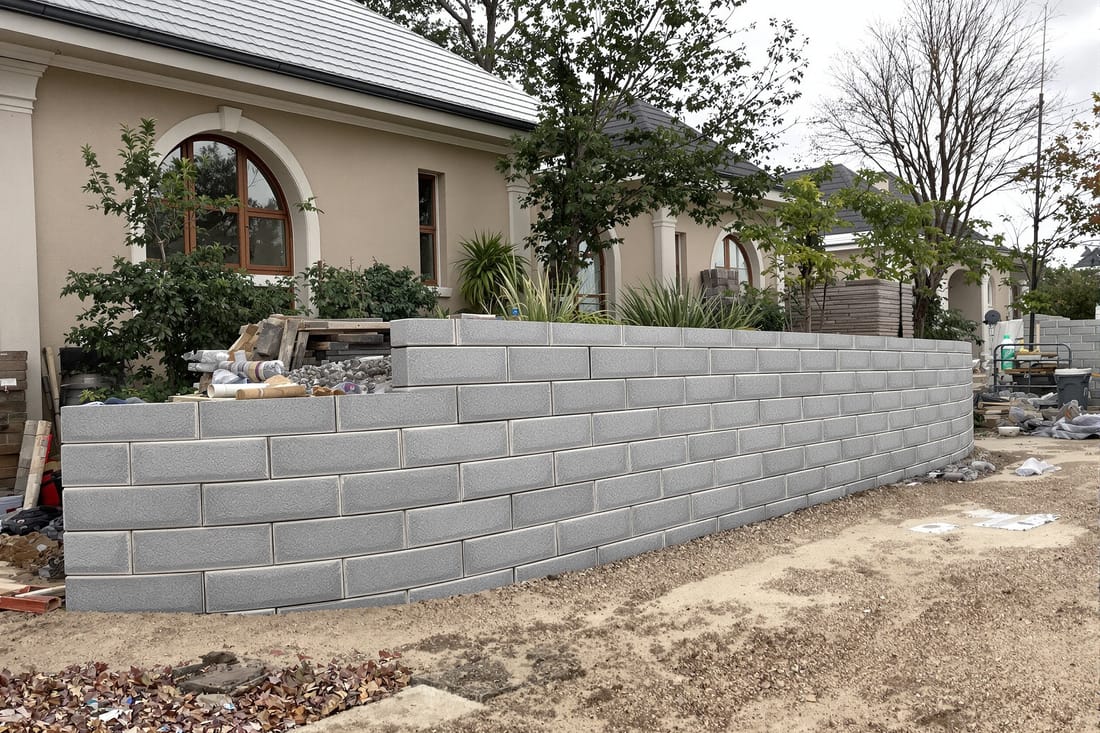
Superior Masonry Boise designs and builds site walls and hardscapes that fit the way people actually use their properties in the Treasure Valley. We focus on commercial hardscape masonry that stands up to Boise’s freeze-thaw cycles, irrigation overspray, and heavy foot traffic.
When we talk about site walls, we mean everything from low seating walls around patios, to retaining walls for grade changes in parking lots, to screening walls that hide dumpsters or mechanical yards. Hardscapes cover the paved and built features that are not your building, such as walkways, plazas, courtyards, loading areas, steps, and masonry planters.
If you manage an office complex off Eagle Road, a medical building near St. Luke’s, or a multi-family property in west Boise, your hardscape sees daily use from tenants, customers, and maintenance crews. Our work is built around that reality. We think through turning radiuses for service carts, where snow gets piled in winter, and how irrigation spray will hit walls and pavers. That practical planning shows up years later in fewer trip hazards, stains, and repairs.
How We Plan and Design Your Site Walls and Hardscapes
Every project with Superior Masonry Boise starts with a site walk, not just an email. We look at grades, existing concrete, drainage paths, and what your tenants or customers are actually doing outside. On older Boise properties from the 1970s and 80s, we often see poor drainage and settling around existing walks and landscaping. These issues inform how we plan new walls and hardscapes so they do not repeat the same failures.
We review any civil or landscape drawings you have, then compare them to what exists in the field. It is common for older as-built drawings in Boise to be off by a few inches or more, especially around curbs and utility lids. We measure critical points and adjust our layout so finished wall lines and pavers tie into existing structures without awkward cuts or trip edges.
During design discussions we help you choose materials that fit both use and budget. For commercial hardscape masonry, options usually include segmental retaining wall block for taller or engineered walls, cast-in-place concrete with masonry veneer where you want a more architectural look, traditional CMU walls with stucco or brick facing, concrete or clay pavers for plazas and entries, and natural stone accents where you want a higher-end focal point. We explain how each choice affects cost, long-term maintenance, and appearance over time in Boise’s climate.
Lighting, railings, and signage footings are also part of design. We coordinate wall block cores, CMU cell locations, or thickened pads where your electrician or sign contractor will need anchors. Doing this up front is cheaper than drilling through finished masonry later and it avoids water intrusion points.
Construction Steps and What You Can Expect On-site
For site walls and hardscapes, the subgrade work is as important as the visible masonry. We begin by sawcutting and removing any existing concrete, asphalt, or failing block. On many Boise commercial sites we find undocumented irrigation lines a few inches below grade. We expose and mark these, then coordinate with your landscaper or maintenance staff to reroute or sleeve them before we build over the area.
Excavation comes next. For retaining walls and heavily loaded areas like delivery routes, we dig to design depth and sometimes deeper if we encounter soft or disturbed fill, which is common along older canal-adjacent properties and infill lots. We install compacted crushed rock base in thin lifts, using plate compactors or rollers as needed, and we document compaction if your engineer or city inspector requires it.
For gravity or reinforced segmental retaining walls, we assemble the block on a level, compacted base, add drainage rock and perforated pipe behind the wall, and install geogrid reinforcement at specified elevations. Proper drainage is critical here because Boise’s winters push water into the wall face. Without clean backfill and pipe, you end up with bulging and face spalling.
For CMU or cast-in-place concrete walls, we set layout with stringlines, install footing forms, place rebar, and pour concrete to the engineer’s specs. After cure, we lay block or build formwork, keeping tight head and bed joints for clean lines. Veneers like brick, stone, or manufactured stone are tied back to the structural wall with appropriate anchors and weep details so moisture can escape.
Hardscape surfaces like walkways and plazas get the same level of base prep. For pavers, we install an aggregate base, a bedding layer, then place pavers to a pattern that works with your site geometry. We pay attention to how carts and wheelchairs will travel, so cuts and borders fall where they will not cause small wheels to catch. For broom-finished concrete, we slope surfaces away from buildings, usually at 1 to 2 percent, and align control joints with building lines and door thresholds.
Cost Drivers, Local Challenges, and Common Problems We Solve
The cost of commercial hardscape masonry in Boise is driven by site access, excavation depth, engineering requirements, material choice, and details like railings or lighting. Tight downtown sites or fully occupied complexes require more hand work, smaller equipment, and off-hour work windows. That increases labor. Sites on slopes near the Bench or foothills may require deeper foundations, taller retaining walls, or geogrid reinforcement, which adds material and engineering cost.
Material choice matters too. Segmental block retaining walls are often more economical than full-height cast-in-place concrete with veneer, but they require more careful base and drainage work. Brick or natural stone veneer costs more upfront, but many owners along Eagle Road and in mixed-use developments choose it to match existing buildings or HOA standards.
Locally, there are recurring problems we see and fix. Frost heave and settlement at the junction of old and new hardscape is common where previous contractors skipped proper base prep. We mitigate this by cutting back farther into existing slabs or walks, installing new compacted base, and tying new work into old with dowels when appropriate.
We also see water problems where walls, planters, and sidewalks were built without enough thought to snow removal and irrigation spray. Meltwater gets trapped behind walls, or sprinklers run against masonry faces all summer. Superior Masonry Boise addresses this by adding drains behind walls and planters, specifying more durable materials at moisture-heavy areas, and sometimes altering grades so water has a clear, visible path to a drain or softscape area.
Another issue is code compliance. Guardrails, fall protection at retaining walls over 30 inches, and ADA slopes at walkways and ramps are often missed in early plans. We flag these during preconstruction and coordinate with your design team or the city so you do not have to redo work after inspection.
What Boise Owners Should Decide Before Calling Us
You do not need finished drawings before you call Superior Masonry Boise, but a few decisions on your side help us give you a clear, realistic proposal.
First, know the main purpose of the space. Is the hardscape for tenant gathering, a direct customer entrance, a service and delivery area, or pure erosion control and grade management? A plaza at a tech office near downtown needs different materials and layout than a screened trash enclosure behind a retail strip.
Second, think about maintenance. Boise properties with small in-house maintenance crews usually do better with durable, low-detail finishes, like integrally colored concrete and robust block walls, that can handle occasional salt, snow plows, and utility work. If you have a professional property management firm and regular landscape crews, pavers and decorative stone become easier to maintain.
Third, consider phasing. Many local complexes cannot shut down full access to a building. We can plan work in phases, such as one entry at a time or alternating parking bays, as long as we know your busiest hours, delivery schedules, and tenant needs. Early conversation here helps us avoid surprises and tenant complaints.
Finally, gather any site information you have. Old plot plans, previous civil drawings, and even cell phone photos of drainage issues after a storm give us a head start. When we meet you on-site, we can use that information to walk you through specific wall and hardscape options that fit your property, instead of a one-size-fits-all approach.