Home › Brick Veneer Installation
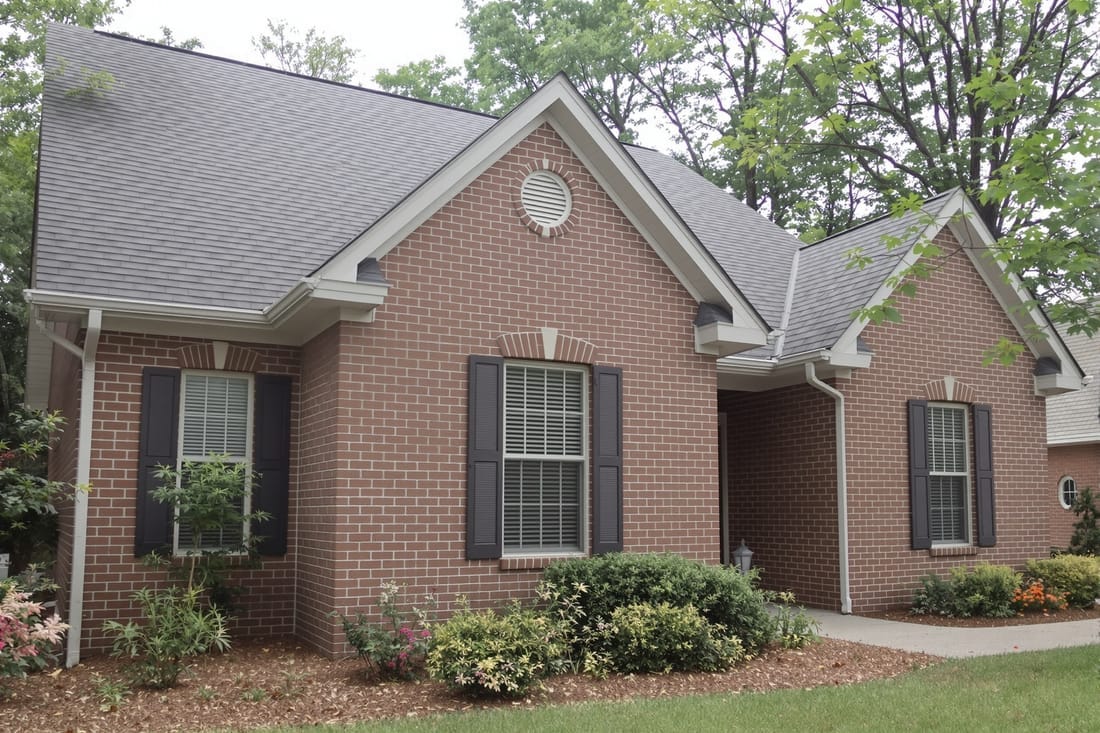
We install high quality brick veneers in Boise, ID to add character and protection to your home exterior and interior accent walls. Our team handles moisture details, flashing, and anchoring so your brick cladding looks great and performs for years. Choose from classic or modern styles tailored to your property.
Superior Masonry Boise provides professional brick veneers throughout Boise, ID, and the surrounding area. Our licensed, insured crew delivers safe, clean, on-time work with a free estimate before anything begins. Call (208) 567-0948 or request your free quote.
Brick Veneers That Fit Boise Homes and Budgets
Brick veneers give Boise homeowners the look of full brick without the weight or cost of structural masonry. Superior Masonry Boise installs veneers on new builds, remodels, and targeted upgrades like entryways, fireplaces, and accent walls. We focus on practical, durable solutions that work with our high desert climate and local building styles.
A brick veneer is a non-load-bearing layer of thin brick installed over a structural wall, usually wood framing or existing concrete or block. It is real masonry, just not the primary structural support. This means we have to treat the substrate, moisture management, and anchoring carefully, especially with Boise temperature swings and snowmelt.
Most of our local veneer work falls into a few categories: upgrading dated siding with partial brick on the lower level, wrapping porch columns, adding brick to garage fronts for curb appeal, or bringing a plain drywall fireplace to life with a full-height brick surround. We also do commercial storefronts along busy corridors where impact resistance and a classic look matter.
Superior Masonry Boise starts every veneer project with a walk-through of the existing structure, discussion of how you use the space, and a frank talk about budget, maintenance expectations, and long-term plans. This avoids surprises and ensures the veneer is matched to your actual needs, not just a picture from a catalog.
How Brick Veneer Installation Actually Works
A proper brick veneer installation is a sequence of specific steps, not just sticking thin bricks to a wall. On exterior walls, we begin by checking the existing framing or masonry for damage, movement, or moisture issues. Any rot, loose sheathing, or cracked concrete is repaired before we touch the veneer. Installing over a bad base is a shortcut that will always fail in Boise freeze-thaw cycles.
On framed walls, we verify or install the water-resistive barrier and flashing. Around windows, doors, and horizontal breaks, we add metal flashings that direct any incidental water to the outside of the wall. For exterior veneers, we then install a drainage plane, typically a rain-screen mat or space behind the brick, and we design weep locations so the wall can dry out instead of trapping moisture.
Anchoring is next. With full-depth brick veneer, we install brick ties into studs through the sheathing at the correct spacing, then embed them in the mortar joints as we lay brick. With thin brick systems, we either use a metal lath and scratch coat or a manufacturer-specific panel system, again fastened properly into framing or masonry, not just the sheathing surface.
We lay out the bond pattern (running bond, stacked bond, Flemish, or custom blends) and set control points. This makes sure the lines of brick stay level and the joints stay consistent around corners, under windows, and along soffits. In Boise, we also watch for snow load contact points and splash zones, so we keep vulnerable joints tighter and better protected.
Joints are typically tooled concave for exterior work because they shed water more effectively and resist freeze cracking. For interior veneers, we may use flush or raked joints if a more rustic or shadowed look is desired. Once the brick is in place and cured, we clean with appropriate masonry cleaners, not generic acids that can burn the surface or alter the color.
Brick Veneer Options for Boise Homes and Businesses
Brick veneers are not one generic product. Superior Masonry Boise helps you choose between full-depth veneer and thin brick, and then between different textures, colors, and patterns that match both your architecture and our local environment.
Full-depth veneer uses bricks about the same thickness as structural brick, with a continuous air gap behind them. This option is heavier and needs proper footings or shelf angles, but it provides excellent durability and impact resistance. We use this often on lower-story front elevations or commercial facades along more heavily trafficked streets where carts, bikes, and daily wear are common.
Thin brick (typically 1/2 to 1 inch thick) is lighter and works well over existing framed walls, interior partitions, and fireplace surrounds. It is a good option for retrofits in older Boise neighborhoods such as the North End, where you may not want to modify the foundation or load paths. Thin brick can be installed in tight spaces, such as around built-in cabinetry or stairwells, where full brick would be too bulky.
Color and texture matter in our bright, high-altitude light. We often recommend slightly variegated blends rather than a single solid color, which can look harsh in full sun. Tumbled or wire-cut textures hide dust and minor scuffs and tend to age better in areas with windblown sand and pollen. For modern homes in Meridian and the Boise Bench, smooth modular brick in long, horizontal patterns can give a clean, contemporary look.
Mortar color is as important as the brick. A light mortar can make a dark brick wall feel less heavy, while a near-match mortar gives a uniform surface that reads as a single mass. We provide on-site sample boards so you can see how brick and mortar combinations look in the actual Boise light at different times of day, not just under a showroom bulb.
What Drives the Cost of Brick Veneers
Homeowners in Boise often ask why brick veneer quotes can vary so much. Superior Masonry Boise walks you through the components of cost so you can compare bids fairly and understand where you can save without cutting corners that matter.
The largest cost factors are substrate condition, veneer type, and detailing. If we discover rot, mold, or structural movement behind existing siding, we must address that first. This can add to the budget, but ignoring it will eventually ruin the veneer, especially with snow and spring runoff. Thin brick is typically lighter and may cost less to install in some scenarios, but specialized panel systems or high-end product lines can offset that difference.
Detailing plays a big role. Corners, arches, recessed panels, window surrounds, and soldier courses all add labor. For example, wrapping window heads with soldier course bricks or building out a bay window with brick returns takes more layout and cutting time than a flat wall. If you want integrated address stone blocks, lighting niches, or insets for hose bibs and electrical boxes, those are planned and priced in at the design stage.
Access and staging also affect costs. A straightforward front elevation along a driveway is simpler than a high rear wall that requires scaffolding, landscaping protection, and careful coordination with neighbors. Winter work in Boise may require heated enclosures and cold-weather mortars to keep joints from freezing, which adds to material and labor.
Finally, product selection matters. There is a real difference in cost and performance between commodity bricks and higher-quality units with consistent sizing, better color ranges, and manufacturer warranties. We explain where paying a bit more improves durability or appearance and where a mid-range option is a smarter buy.
Common Brick Veneer Problems and How We Prevent Them
Many of our calls in Boise are about veneers that were installed by others and are now cracking, bowing, or letting water inside. Superior Masonry Boise uses these real-world failures to shape how we build new work, so the same problems do not repeat on your project.
Bulging or wavy veneers are often caused by missing or improperly spaced ties. Without correct anchoring, the brick face can move independently from the structure, especially during wind events and seasonal temperature swings. We follow manufacturer and code spacing for ties, check that each tie is secured into framing or solid masonry, and inspect as we go so rows do not drift.
Efflorescence, the white powdery staining, is usually from moisture moving through the wall and carrying salts to the surface. In our area, this is often linked to poor flashing at window heads, missing weeps, or grade levels built too high against the brick. When we install veneers, we set grade clearances, design weep locations, and use compatible mortars so that incidental moisture can escape instead of accumulating.
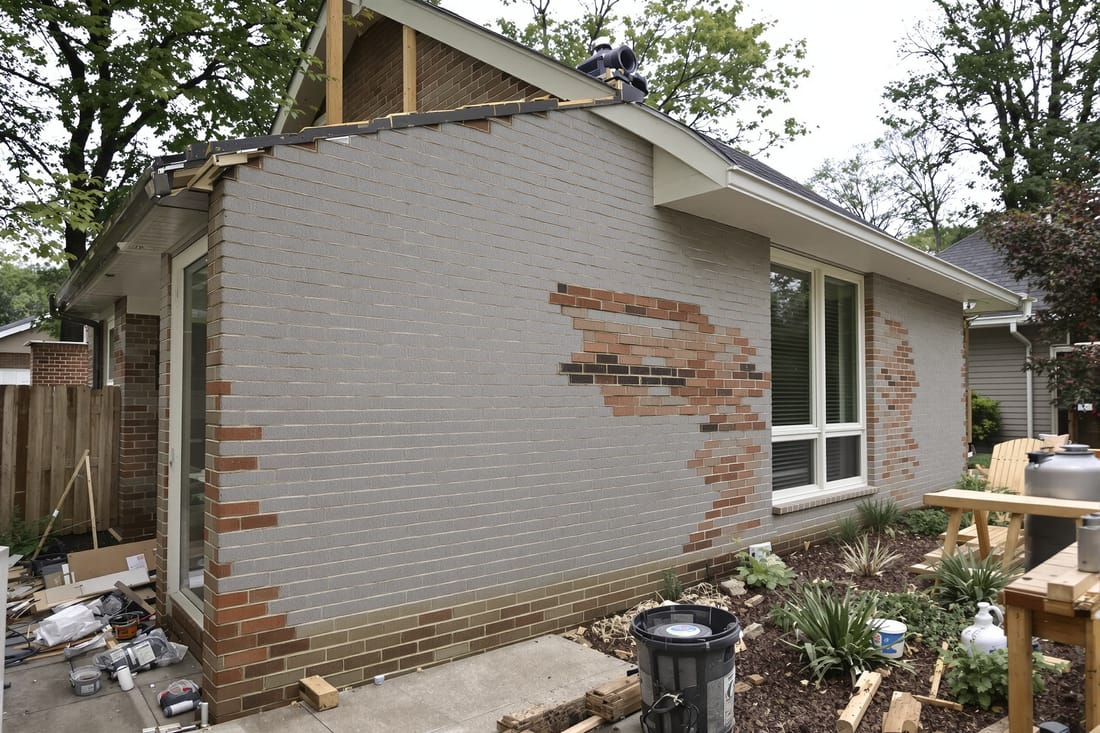
Cracked joints and spalling faces can be a freeze-thaw issue. Water gets into weak or over-tooled joints, then expands when it freezes. To prevent this, we use mixes appropriate for Boise winters, avoid over-watering mortar, and protect fresh work from sudden freezes. For existing veneers with localized damage, we can grind out failing mortar and repoint with a more suitable mix, or selectively replace damaged units rather than tearing everything down.
Interior veneers have their own problems, mostly related to poor prep and shortcuts. Thin brick set directly on painted drywall with inadequate adhesives will eventually loosen or sound hollow. We mechanically roughen or replace slick surfaces, use proper lath and scratch coats where needed, and choose adhesives that are rated for the specific substrate and temperature range.
Working With Superior Masonry Boise on Your Veneer Project
The brick veneer process should be straightforward and predictable. Superior Masonry Boise keeps the steps clear so you know what to expect and how long things will take.
We start with an on-site evaluation. We inspect your existing walls, siding, or fireplace, take moisture readings where appropriate, and document any structural concerns. You receive a written summary that explains what is feasible, what needs to be fixed first, and which veneer types are appropriate.
Next is design and specification. We help you choose brick type, layout pattern, joint profile, and mortar color, and we talk through specific transitions like siding-to-brick joints, porch slabs meeting veneer, and trim interfaces. For larger or more complex projects, we may create basic elevation sketches or layout diagrams so everyone understands how details will look.
Scheduling follows. We set a start date that considers weather, product lead times, and any coordination with other trades like siding installers or window replacement companies. During the job, we keep staging organized, protect landscaping and adjacent surfaces, and maintain access to doors and garages whenever possible.
At completion, we walk the entire project with you. We check for consistent joints, clean surfaces, proper weep and flashing locations, and tidy transitions. We also review basic maintenance: how to safely clean the surface, what to watch for in the first year, and when to call us if anything looks off. Our goal is a veneer that performs well in Boise conditions and still looks right ten or twenty years from now.