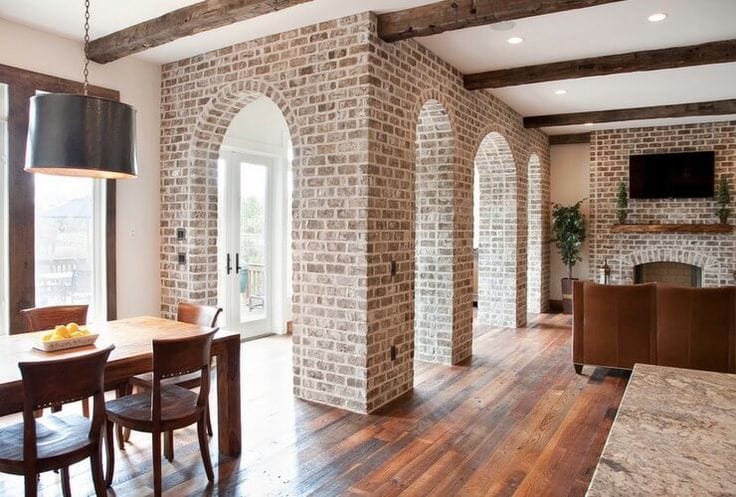
Our experienced brick mason team in Boise, ID delivers clean, durable brickwork for homes, yards, and outdoor spaces. From new brick walls and patios to crack repair and re-laying failing sections, we focus on strong structure and crisp lines. Get professional brick masonry tailored to your property and style.
Superior Masonry Boise provides professional brick mason throughout Boise, ID, and the surrounding area. Our licensed, insured crew delivers safe, clean, on-time work with a free estimate before anything begins. Call (208) 567-0948 or request your free quote.
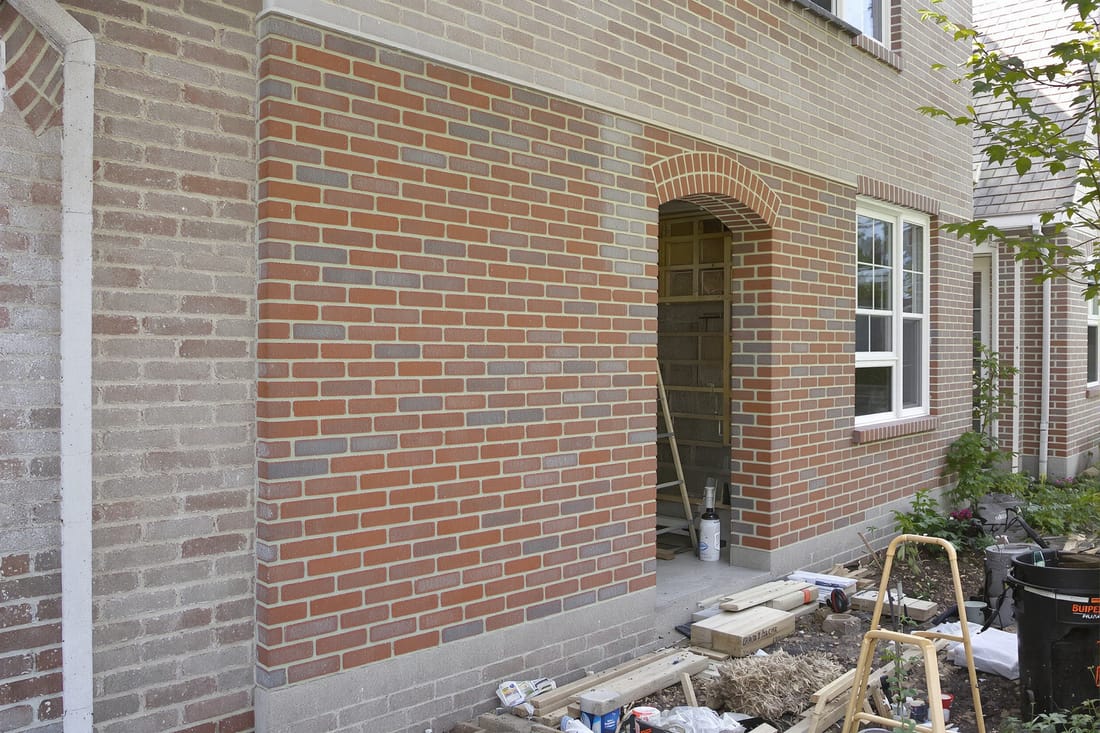
Brick Masonry for Boise Homes and Businesses
Brick masonry is still one of the most reliable ways to build in the Treasure Valley, but it has to be done correctly for our freeze-thaw winters and hot, dry summers. At Superior Masonry Boise, we focus on brick work that looks clean on day one and still sheds water and stays solid fifteen to twenty years later.
When you call us about a brick project, we start by asking how the space is used and what type of performance you need. A backyard sitting wall by the Boise River needs different detailing than a brick veneer in the North End or a commercial entry on Eagle Road. We help you decide whether you need full brick, a structural brick wall, or a brick veneer tied to a framed wall. That choice affects cost, weight, and the type of foundation or footing required.
For every job, we look at sun exposure, sprinkler overspray, snow shedding from roofs, and existing drainage. Those small details decide where we add through-wall flashings, weep holes, control joints, and water repellents so your brick does not trap water or spall in winter. These are the details that separate a quick cosmetic job from true masonry that works in Boise’s climate.
Our Brick Masonry Process From Estimate to Final Brush-Off
A typical brick masonry project with Superior Masonry Boise follows a clear sequence so you know what is happening on your property.
1. Site visit and estimate: We measure, photograph, and check access for scaffolding and material delivery. For veneers and additions, we look at your existing siding or foundation to see how brick can be tied in safely. You receive a written estimate that spells out brick type, bond pattern, mortar type, reinforcement, and any flashing or waterproofing.
2. Layout and foundation or base prep: Brick needs a stable base. For new walls or columns, we coordinate footing excavation and concrete placement or verify existing footings if we are adding brick to an existing structure. For patios or walkways, we prepare a compacted gravel base and set edge restraints to control movement.
3. Brick and mortar selection: We review sample bricks and mortar color with you in natural light, often on site. Boise homes range from older soft reds in the North End to modern tan and gray blends in Meridian and south Boise. We help you find a blend and joint style that complements your existing finishes so patches and additions do not “scream new.”
4. Laying the brick: Our masons snap control lines, set corner leads, then infill the wall. Joints are kept uniform with story poles and checked with level and plumb line. Where veneers meet windows, doors, and siding, we install flashing and weep systems and use brick ties at the spacing required by building code.
5. Tooling, cleaning, and curing: Mortar joints are tooled at the right stage of set for density and water resistance. We protect fresh walls from sudden downpours or heavy sun that might dry mortar too quickly. Final cleaning is done with light washing or brick-safe cleaners, never harsh acids that can burn the face. You get a walkthrough so you can check the work and ask questions about maintenance.
Brick Choices, Patterns, and Design Details You Can Customize
Brick masonry is not one-style-fits-all. Superior Masonry Boise helps you use brick creatively so the finished work feels intentional, not generic.
Brick type: For structural work we use full-size clay brick or concrete brick rated for exterior use. For veneers, both full brick and thin brick are options. Thin brick can be useful where there is limited foundation ledge or where you want to keep wall thickness down inside a finished basement.
Color and texture: Local suppliers stock smooth, tumbled, wire-cut, and sand-faced brick in reds, buffs, browns, and grays. We often recommend slightly variegated blends for Boise projects since they hide dust and irrigation overspray better than a solid, uniform color.
Patterns (bonds): Running bond is common, but accent areas can use stack bond, herringbone in paving, or soldier and sailor courses at the tops of walls and around window heads. On Boise bungalow porches, a simple rowlock sill brick detail can echo original historic work without a full restoration budget.
Joint profiles: Joint shape affects water shedding and shadow lines. For our climate we often suggest a concave or V joint for exterior walls because they compact the mortar and shed water. Raked joints are possible for a shadowed, linear look, but we will explain how that choice may hold more moisture and dirt.
Details and add-ons: We can integrate brick columns for fences or gates, brick steps with non-slip treads, fire pit surrounds that meet clearance guidelines, and ledgestone or block accents if you want mixed materials. Careful attention to rise and run on brick steps is especially important in areas like the Bench and the Foothills where slopes can be steep.
What Affects Brick Masonry Cost in Boise
We are transparent about what drives cost so you can make smart decisions before we start. A brick mason is not just charging for brick and mortar, but also for the time and logistics required to do the work safely and correctly.
Access and height: Single-story veneer in a flat, open yard is faster than a tall gable or chimney that needs complex scaffolding near landscaping or roofs. If we have to hand-carry materials around a tight side yard or up a steep Foothills driveway, labor time goes up.
Brick selection: Standard stock bricks that local yards keep on the ground are more economical than special-order colors, imported brick, or custom blends. Thin brick systems can save on structure but sometimes cost more per square foot in material.
Substrate and prep: Removing old loose stone, failing stucco, or delaminated brick takes time. If an older wall in the North End or downtown area needs repointing and rebuilding in sections, that requires more skilled labor than installing new veneer on fresh framing.
Detailing and patterns: Simple running bond is faster than decorative banding, arches, or multiple pattern changes. Curved walls, tight radius fire pits, and complex steps require more layout and cutting. If we are adding through-wall flashings, stainless steel lintels, and special weep systems, there is more time and material involved, but these details are what prevent water problems later.
Timing and weather: Spring and fall are ideal in Boise. In hot summers we may need to work shorter shifts, shade walls, or pre-dampen brick and substrate so mortar does not flash-dry, which adds labor. In freezing conditions we sometimes have to tent and heat work areas. We will tell you upfront if seasonal protection will affect your price.
Local Brick Problems We See in Boise and How We Fix Them
The combination of irrigation, winter road salts, and Boise’s temperature swings creates predictable brick issues. Knowing these ahead of time helps you plan repairs and avoid repeating the same problems.
Efflorescence and white staining: This is salt that moves to the surface as water travels through the wall. We first look for the water source, such as misdirected sprinklers, missing flashing, or a grade that slopes toward the house. Cleaning alone is not enough. We correct drainage or flashings, then use brick-safe cleaners and, if appropriate, breathable water repellents.
Spalling brick faces: When water soaks into brick or mortar and freezes, the surface can flake off. This often appears on low walls near walkways where snow and ice melt sit, or on older soft brick in historic areas. We identify whether the issue is poor brick quality, trapped moisture, or both. Repairs can include replacing individual bricks, repointing with the correct mortar hardness, and improving weep systems and caps.
Cracked mortar joints: Hairline cracks can appear as buildings settle, especially near corners, garage openings, or where additions meet original structures. We carefully remove damaged mortar to the proper depth and repoint with compatible mortar. Using mortar that is too hard for older brick can cause more damage over time, so we adjust mixes to match existing work.
Bulging or separating veneers: Over decades, missing or corroded brick ties, poor original installation, or water damage can cause a veneer to pull away from the structure. In these cases we assess whether localized rebuilding and new anchors will solve the problem or if larger sections should be removed and rebuilt for long-term safety. Our priority is structural integrity, not just covering cracks.
What to Know Before You Hire a Brick Mason in Boise
Before you choose a brick mason, it helps to know what to ask and what a solid proposal should include. At Superior Masonry Boise we encourage homeowners to interview more than one company and compare the details.
Ask about experience with Boise’s climate and local building codes. A mason who works primarily in warmer, wetter regions might not plan properly for our daily freeze-thaw cycles or snow shed from metal roofs. Make sure they can explain how they handle weep holes, flashing, and expansion joints in plain language.
Request specifics in writing. Your proposal should list brick brand or equivalent, mortar type and color, joint profile, reinforcement, flashing, and any sealers or cleaners. If the description only says “brick wall installed,” you lack the information needed to compare bids or hold anyone accountable.
Confirm how they will protect your property. This includes protecting lawns and plantings during mixing and cutting, controlling dust, and keeping pathways safe and usable while work is ongoing. In Boise’s wind, sawdust and brick dust can travel quickly if not managed.
Discuss schedule and weather plans. Ask how heat waves, smoke, or early freezes might affect your project calendar and what steps will be taken if conditions change mid-job. Reliable brick masonry is very sensitive to temperature and moisture while mortar cures, so you want a mason who will pause or protect the work rather than rushing to finish.
Finally, ask for local references and drive by a few completed projects if you can. Look at the straightness of joints, uniformity of spacing, and how the brick has aged. Superior Masonry Boise is always glad to point you to past work around town so you can see what careful brick masonry looks like in real Boise conditions.