Home › Masonry Restoration and Historic Preservation
We specialize in historic masonry restoration in Boise, ID, preserving brick and stone structures with minimal intervention. Our services include gentle cleaning, mortar analysis and matching, brick and stone replacement, and detailed repointing. We respect original materials and details while improving durability and safety.
Superior Masonry Boise provides professional historic masonry restoration throughout Boise, ID, and the surrounding area. Our licensed, insured crew delivers safe, clean, on-time work with a free estimate before anything begins. Call (208) 567-0948 or request your free quote.
Thoughtful Historic Masonry Restoration in Boise
Historic masonry restoration is not the same as basic brick repair. When you work with Superior Masonry Boise, we start by treating your building like a piece of local history, not just a structure that needs patching. Our first step is a detailed walk‑through of your property, where we look at how the building was put together, what has been changed over the years, and how Boise’s freeze‑thaw cycles and dry summers have affected it.
We take photos, note problem areas like spalling brick, crumbling mortar, bulging walls, and failing stone caps, and ask about any leaks or drafts you have seen inside. On older homes in the North End, for example, we often find hairline step cracks that started small but opened up over the last few winters. On downtown commercial buildings, the more common problem is moisture getting in behind the face brick from old, hardened caulking and clogged weep joints.
Once we understand what is original and what is a later patch, we can separate cosmetic issues from structural concerns. Our goal is always to preserve as much original material as possible, so we do not reach for a grinder or hammer until we are sure it is needed. We explain what absolutely must be fixed to protect the building, what is optional but recommended, and what can safely wait if you are phasing the work over several seasons.
How We Match Old Brick, Stone, and Mortar
The part of historic masonry restoration most people worry about is how the repaired areas will look. With Superior Masonry Boise, a big part of the job happens before any tool touches the wall. We start with a materials investigation, where we identify the original brick or stone type, color variation, texture, and bonding pattern.
For brick, we measure the units and check the surface finish. Boise has many structures built with soft, slightly irregular brick that does not match modern hard‑fired stock. When needed, we source reclaimed brick from regional yards so the size and color range feel right next to your existing walls. If reclaimed materials are not available, we work with local suppliers to order small runs that are as close as possible to the original blend.
Mortar is just as important as the brick. Many older Boise buildings (especially pre‑1950) were laid in lime‑rich mortar that is softer than today’s Portland cement mixes. Using standard bagged mortar on this type of wall can trap moisture and cause the brick to crack or flake. We perform a mortar analysis, checking color, sand gradation, and hardness. Then we mix custom batches on site with adjusted lime and cement content, and we use local sand with similar grain size so the joint texture and color match once it has cured.
For stone, such as sandstone foundations or decorative elements, we examine the existing units for bedding direction, grain, and weathering patterns. Cutting or installing stone against the natural grain can lead to early failure in Boise’s freeze‑thaw cycles. We mark and set new or replacement pieces to match how the original mason oriented the stone, which helps your repair last longer and look like it has always been there.
What the Restoration Process Looks Like Step by Step
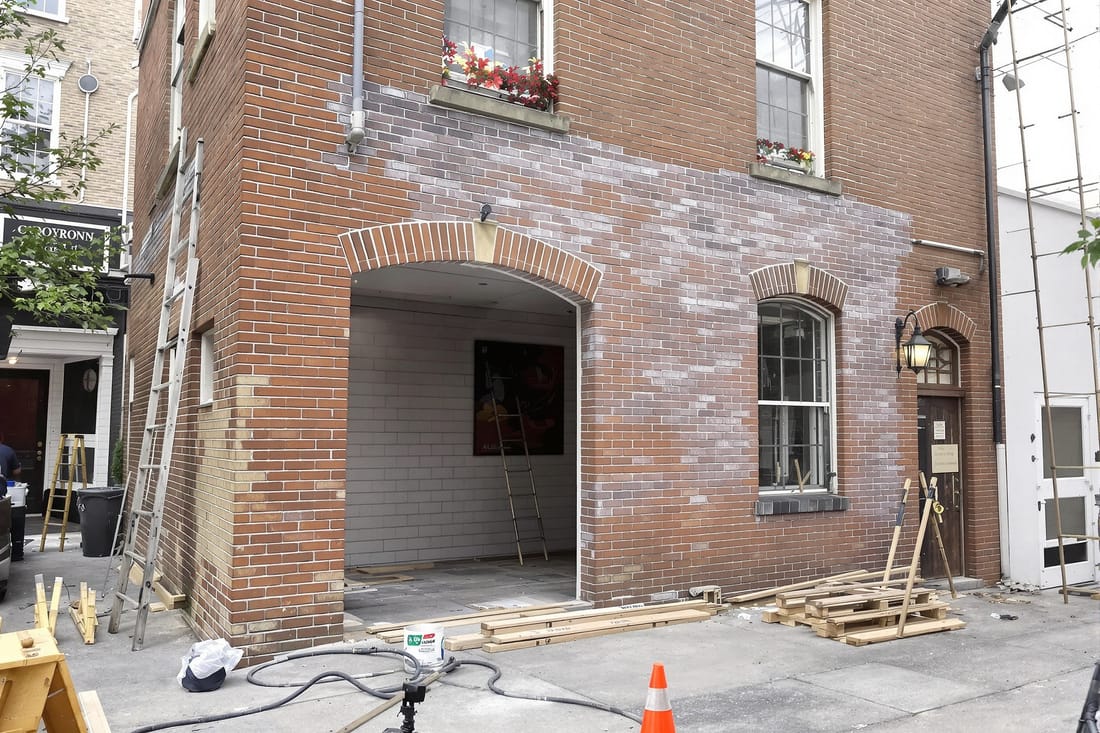
Once the planning and materials work are done, the actual restoration process follows a careful sequence. First, we set up access and protection. That can mean scaffolding on a downtown facade or simple staging around a single chimney. We cover windows, landscaping, and walkways so dust and small debris do not become a problem. If we are working during pollen or wildfire smoke season, we take extra steps to keep interior areas sealed.
Next comes removal of failed material. For repointing, we remove the old mortar by hand with chisels and specialty tools instead of aggressive grinders whenever possible. This protects the edges of older brick and stone. In deep or wide joints, we clean out to a depth of two to two‑and‑a‑half times the joint width so the new mortar bonds well. Any loose or delaminating brick or stone is carefully taken out, tagged, and either repaired and reinstalled or used as a template for a replacement.
We then make any necessary structural corrections. This might include stitching cracked areas with stainless steel helical ties, installing concealed anchors where a facade is separating from the backup wall, or rebuilding sections of a leaning chimney down to solid bearing. In Boise’s older neighborhoods, we frequently rebuild the top few courses of chimneys that have deteriorated from snow, ice, and years of hot‑cold cycles.
When we install new mortar or units, we do it in lifts, allowing each pass to firm up before the next is added, which reduces shrinkage cracking. We tool the joints to match the original profile, whether that is concave, flush, raked, or beaded. The joint shape is not just for looks. It affects how water sheds from the wall, which is a big deal during Boise’s winter storms and spring rains.
Finally, we clean the area gently. Instead of harsh acid washing that can burn older brick, we rely on low‑pressure water, soft brushes, and, when needed, restoration cleaners formulated for historic masonry. The goal is to remove residues without stripping the natural patina that gives older buildings their character.
Dealing With Moisture, Weather, and Protective Coatings in Boise
Our climate in the Treasure Valley creates specific challenges for historic masonry. Long dry spells can make mortar joints shrink and open, then sudden fall and winter moisture pushes into those gaps. Overnight freezes expand that trapped water, which can pop faces off bricks or flake stone. At Superior Masonry Boise, we plan restoration work around these patterns.
We usually recommend major repointing and rebuilds in late spring through early fall, when temperatures allow mortar to cure slowly and evenly. During shoulder seasons, we may tent and gently heat the work area if a cold snap is expected. This helps avoid weak joints or surface scaling caused by freezing before the mortar has set.
Moisture management is more than just good mortar. As part of many historic masonry restoration projects, we inspect and often repair or replace flashings, counter‑flashings, chimney caps, and sealant joints at windows, doors, and parapets. If water is coming down through the top of a wall instead of through the face, no amount of joint work will solve the leak. Catching these details early can save thousands of dollars in interior repairs.
Some owners ask about sealing or waterproofing old brick. In Boise’s climate, we are very selective. On many historic walls, a fully waterproof coating can actually trap water inside and accelerate damage. When protection is necessary, for example near grade where irrigation overspray is unavoidable, we use breathable, vapor‑permeable water repellents that allow moisture to escape while reducing absorption. Before any coating is approved, we test a small area in an inconspicuous spot and monitor it, so you can see how it changes the appearance and how the masonry responds.
Gutter and drainage issues are another frequent culprit. We often find that localized brick deterioration lines up exactly with an overflowing downspout or a spot where snow melt dumps against the wall. Including simple corrections to drainage in a restoration plan helps ensure the work stays sound for decades instead of just a few years.
Costs, Timelines, and How to Choose a Mason in Boise
Historic masonry restoration is detailed work, so it is worth understanding what drives the cost and schedule. The main cost factors are access (how hard it is to reach the work), the extent and depth of deterioration, the need for custom materials, and how much structural correction is required. Repointing a small, easily reached section of a garden wall costs far less than stabilizing a three‑story brick facade downtown that needs engineered scaffolding and traffic control.
Labor is a big part of any preservation project because most tasks are done by hand. For example, properly repointing a historic wall involves cutting, cleaning, filling, and tooling every joint, often in multiple passes. Matching mortar and brick also takes time, with test panels and adjustments to get the color and texture right. These steps may seem slow compared to quick patch jobs, but they are what make the repair blend in and hold up to Boise’s weather.
Timelines vary from a couple of days for a focused chimney rebuild to several weeks for a full facade restoration. At Superior Masonry Boise, we give you a written scope that breaks the work into clearly defined areas so you know what is happening where. If your building is occupied, we can phase the work to keep entrances open and noise limited to agreed‑on hours.
When you are choosing a contractor for historic masonry restoration, ask specific questions. Ask what types of mortar they plan to use and why, and whether they have repointed lime‑based joints before. Request to see photos of completed projects in Boise or nearby, especially buildings of a similar age to yours. A reputable mason should be able to explain where they will use hand tools instead of power tools, how they will protect original fabric, and what kind of warranty they offer on both materials and workmanship.
Superior Masonry Boise is happy to walk you through options, from minimal intervention to full restoration, and to prioritize safety‑critical repairs if you need to spread the work out over several seasons. An on‑site consultation lets us give you realistic cost ranges and timing, so you can plan your project with clear expectations and no surprises.